Table of contents:
Breaking Down the Types of Bearings Essential for Modern Robot Reducers
How to Evaluate and Choose a Reliable Robotic Bearing Supplier for Your Project
Customizable Roller Bearing Solutions: The Key to Adaptable and Efficient Robots
Maximizing ROI: The Long-Term Benefits of High-Quality Bearings in Robotics
Breaking Down the Types of Bearings Essential for Modern Robot Reducers
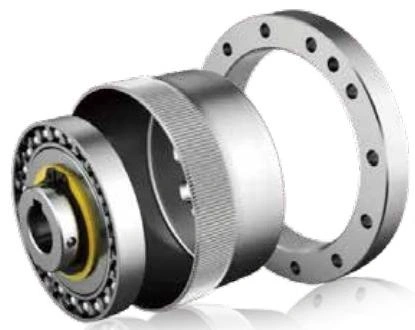
Robot arm bearing suppliers offer a diverse range of specialized bearings designed to meet the unique requirements of robotic systems. Two primary types of robot reducers dominate the market: harmonic reducers and RV reducers. For harmonic reducers, cross roller bearings and flexible bearings are commonly employed. Cross roller bearings, available in various series such as CSG/CSF, CSD, SHG/SHF, and SHD, provide high precision and rigidity, making them ideal for robotic joints that demand accuracy and stability. Flexible bearings, like the HYR series, offer low inertia and vibration characteristics. On the other hand, RV reducers typically utilize angular contact ball bearings, which excel in handling combined loads and maintaining precise positioning. Understanding these bearing types is crucial for robotic arm manufacturers to optimize their designs for specific applications.
How to Evaluate and Choose a Reliable Robotic Bearing Supplier for Your Project
Selecting the right robot arm bearing suppliers is a critical decision that can significantly impact the performance and reliability of robotic systems. When evaluating potential suppliers, robotic arm manufacturers should consider several key factors. First, assess the supplier's manufacturing capabilities, including their production systems, heat treatment facilities, and quality control processes. A supplier with advanced machinery and in-house workshops demonstrates a commitment to quality and consistency. Second, examine the supplier's experience in serving global markets, as this indicates their ability to meet diverse industry standards and requirements. Additionally, consider the supplier's range of products and their ability to offer customized solutions. Robotic arm manufacturers should also look for suppliers that provide comprehensive support, from initial consultation to after-sales service, ensuring a smooth integration of bearings into their robotic designs.
Customizable Roller Bearing Solutions: The Key to Adaptable and Efficient Robots
The ability to adapt and customize bearing solutions is a significant advantage in the competitive world of robotics. Leading robot arm bearing suppliers offer a wide range of customizable options to meet the specific needs of different robotic applications. These customizations can include variations in bearing size, material composition, lubrication systems, and sealing methods. By working closely with bearing suppliers, robotic arm manufacturers can develop tailored solutions that optimize performance, reduce maintenance requirements, and extend the operational life of their robots. Customizable roller bearings can be designed to withstand specific environmental conditions, handle unique load distributions, or achieve particular speed and precision requirements, ultimately contributing to more versatile and efficient robotic systems.
Maximizing ROI: The Long-Term Benefits of High-Quality Bearings in Robotics
Investing in high-quality bearings from reputable robot arm bearing suppliers can yield substantial long-term benefits for robotic arm manufacturers and end-users alike. While premium bearings may have a higher initial cost, they offer superior performance, durability, and reliability, which translate into reduced downtime, lower maintenance costs, and extended equipment lifespan. High-quality bearings are engineered to operate with minimal friction, vibration, and noise, contributing to improved energy efficiency and precision in robotic operations. Moreover, the use of advanced bearing technology can enhance the overall capabilities of robotic systems, allowing for faster cycle times, higher payload capacities, and more complex movements. By prioritizing bearing quality, robotic arm manufacturers can differentiate their products in the market and provide their customers with robots that deliver consistent performance and value over time.
In conclusion, the role of advanced bearing technology in unlocking the full potential of industrial robotics cannot be overstated. As robotic arm manufacturers continue to push the boundaries of automation, partnering with experienced and innovative robot arm bearing suppliers becomes increasingly crucial. By carefully selecting the right types of bearings, evaluating suppliers based on their capabilities and support, embracing customizable solutions, and recognizing the long-term benefits of quality components, manufacturers can develop robotic systems that excel in precision, efficiency, and reliability. In an industry where every fraction of a second and millimeter of accuracy counts, the choice of bearings can make all the difference in creating robots that not only meet but exceed the demanding requirements of modern industrial applications.
Comments
Post a Comment