Table of contents:
Exploring the Capabilities of RFID Windshield Stickers
The Advantages of RFID Tags for Car Management
Integrating RFID Windshield Labels into Your Tracking System
Future Trends in RFID UHF Tag Technology for Vehicles
Exploring the Capabilities of RFID Windshield Stickers
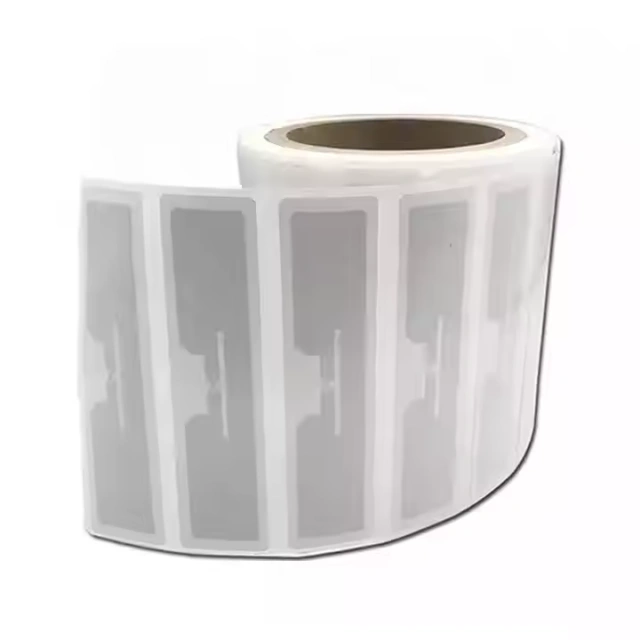
RFID windshield stickers, such as the Alien H9 9654, are designed to offer robust vehicle tracking solutions. Made from durable PET material and featuring an aluminum etched antenna, these stickers are built to withstand harsh environmental conditions, with an operational temperature range from -40℃ to 70℃. The RFID tag on car windshield allows for both read and write operations, boasting a lifespan of over 100,000 cycles and data storage that lasts more than 50 years. With a user memory capacity of up to 688 bits, these tags provide ample space for storing essential vehicle data. By integrating these stickers into vehicle management systems, businesses can achieve precise tracking and data accuracy, leading to improved fleet management and security.
The Advantages of RFID Tags for Car Management
The implementation of an RFID tag for car management offers numerous advantages. One of the primary benefits is the enhanced efficiency in tracking and managing vehicle fleets. The RFID tag on car windshield enables seamless data collection and transmission, reducing the need for manual data entry and minimizing human error. This technology supports the Global EPC Class1 Gen2 and ISO/IEC 18000-6C protocols, ensuring interoperability across different systems and platforms. Additionally, the cost-effectiveness of these tags, priced between $0.048 to $0.055 per piece, makes them an attractive option for large-scale deployments. By leveraging RFID technology, businesses can optimize their operations, reduce costs, and improve overall productivity.
Integrating RFID Windshield Labels into Your Tracking System
Integrating RFID windshield labels into existing vehicle tracking systems is a straightforward process, offering significant benefits. The RFID tag on car windshield can be easily applied to the vehicle's surface, providing a reliable and unobtrusive solution for tracking. With a minimum order quantity of 10,000 pieces, businesses can implement these tags on a large scale, facilitating comprehensive vehicle management. The read-write capabilities of these tags ensure that data can be updated and retrieved efficiently, allowing for real-time monitoring and analysis. By incorporating RFID technology into tracking systems, companies can enhance their ability to monitor vehicle movements, optimize routes, and improve service delivery.
Future Trends in RFID UHF Tag Technology for Vehicles
As technology continues to advance, the future of RFID UHF tags in vehicle tracking looks promising. Innovations in RFID tag for car applications are expected to focus on improving data security, enhancing read range, and increasing memory capacity. The RFID tag on car windshield will likely become more integrated with IoT systems, enabling smarter and more connected vehicle management solutions. Additionally, advancements in materials and design could lead to even more durable and cost-effective tags, further driving adoption in the automotive industry. As these trends unfold, businesses that embrace RFID technology will be well-positioned to capitalize on its benefits, leading to more efficient and effective vehicle management.
In summary, RFID UHF tags, particularly those designed for car windshields, represent a significant advancement in vehicle tracking technology. The RFID tag on car windshield, such as the Alien H9 9654, offers a range of capabilities that enhance vehicle management and tracking efficiency. By integrating these tags into existing systems, businesses can streamline operations, reduce costs, and improve data accuracy. As the technology continues to evolve, the potential applications and benefits of RFID tags in the automotive industry are set to expand, offering exciting opportunities for businesses to innovate and thrive.
Comments
Post a Comment