Table of contents:
Electric Tube Heaters vs Infrared Heating Elements in Commercial Ovens
Energy Efficiency Analysis Electric Duct Heaters vs Gas-Powered Systems
Cost-Benefit Evaluation of Upgrading to Modern Electric Tube Heaters
Environmental Impact Considerations for Different Heating Technologies
Electric Tube Heaters vs Infrared Heating Elements in Commercial Ovens
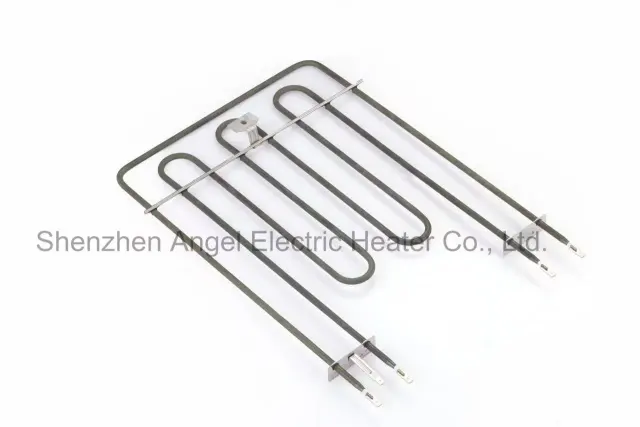
When comparing electric tube heaters to infrared heating elements in commercial ovens, several key differences come to light. Electric tube heaters, produced by specialized tubular heating elements manufacturers, offer more uniform heat distribution throughout the oven cavity. This is particularly beneficial for baking and cooking processes that require consistent temperatures. Infrared elements, on the other hand, provide intense, direct heat that's ideal for surface browning and quick heating. Electric heater manufacturers have refined tube heater designs to improve energy transfer efficiency, making them competitive with infrared options in terms of power consumption. Additionally, tube heaters are often more durable and easier to maintain, which can lead to lower long-term operational costs for commercial kitchens and food production facilities.
Energy Efficiency Analysis Electric Duct Heaters vs Gas-Powered Systems
The energy efficiency of electric duct heaters compared to gas-powered systems is a crucial consideration for facility managers and HVAC professionals. Electric duct heaters, a common product among tubular heating elements manufacturers, offer near 100% efficiency in converting electrical energy to heat. This high efficiency is due to the direct conversion of electricity to thermal energy without loss. Gas systems, while often less expensive to operate in some regions, typically have lower efficiency ratings due to heat loss through exhaust. Electric heater manufacturers have capitalized on this advantage by developing smart control systems that further optimize energy use. These systems can provide precise temperature control and rapid response times, potentially leading to energy savings in applications where heating needs fluctuate frequently.
Cost-Benefit Evaluation of Upgrading to Modern Electric Tube Heaters
Upgrading to modern electric tube heaters can offer significant benefits, but it's essential to conduct a thorough cost-benefit analysis. Initial investment costs for high-quality heaters from reputable tubular heating elements manufacturers may be higher than traditional heating solutions. However, the long-term savings in energy costs, maintenance, and improved process efficiency often justify the upgrade. Electric heater manufacturers have made strides in developing products with extended lifespans and superior performance characteristics. These advancements can lead to reduced downtime, increased productivity, and better quality control in manufacturing processes. For industries where precise heating is critical, such as plastics processing or food production, the improved accuracy and consistency of modern tube heaters can result in higher product quality and reduced waste.
Environmental Impact Considerations for Different Heating Technologies
The environmental impact of heating technologies is an increasingly important factor in decision-making for businesses and industries. Electric tube heaters, when powered by renewable energy sources, can significantly reduce carbon emissions compared to fossil fuel-based heating systems. Tubular heating elements manufacturers are focusing on creating more energy-efficient designs that minimize resource consumption during operation. Additionally, many electric heater manufacturers are adopting eco-friendly production practices and materials to further reduce the environmental footprint of their products. While the overall environmental impact depends on the electricity source, the potential for integration with clean energy makes electric tube heaters an attractive option for environmentally conscious organizations. Moreover, the precise control and efficiency of these heaters can lead to less energy waste, contributing to overall sustainability efforts in industrial and commercial settings.
The comparison of electric tube heaters with alternative heating technologies reveals several advantages in terms of efficiency, cost-effectiveness, and environmental impact. As tubular heating elements manufacturers continue to innovate, the performance gap between electric solutions and traditional heating methods widens. The versatility and precision of electric tube heaters make them suitable for a wide range of applications, from small appliances to large industrial processes. While the initial investment may be higher, the long-term benefits often outweigh the costs. Electric heater manufacturers are at the forefront of developing sustainable heating solutions that align with global efforts to reduce carbon emissions and improve energy efficiency across industries.
Comments
Post a Comment