Table of contents:
Emerging Trends in Molecular Sieve Carbon for Gas Separation
Innovative Applications of Carbon Molecular Sieves Beyond Nitrogen Generation
How Carbon Molecular Sieve Technology is Transforming the Chemical Industry
The Future of Molecular Sieve Advancements for Industrial Gas Purification
Emerging Trends in Molecular Sieve Carbon for Gas Separation
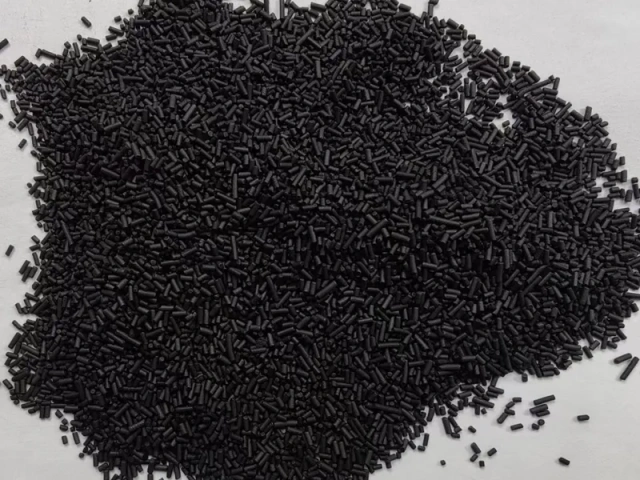
The molecular sieves market is witnessing a paradigm shift as carbon molecular sieves gain traction in gas separation applications. With their unique ability to selectively adsorb gases based on molecular size, CMS materials are becoming increasingly popular for nitrogen generation and other gas purification processes. The trend towards molecular sieve carbon wholesale distribution is enabling industries to access these high-performance materials at more competitive prices, driving wider adoption. As research and development efforts intensify, we can expect to see CMS with even higher selectivity and adsorption capacities, further cementing their position as a crucial component in advanced gas separation technologies.
Innovative Applications of Carbon Molecular Sieves Beyond Nitrogen Generation
While nitrogen generation remains a primary application, the versatility of carbon molecular sieves is opening doors to novel uses across various industries. The expanding molecular sieves market is now exploring CMS applications in biogas upgrading, hydrogen purification, and even in the separation of noble gases. This diversification is fueling the demand for molecular sieve carbon wholesale, as manufacturers seek to capitalize on these emerging opportunities. In the environmental sector, CMS is showing promise in carbon capture technologies, offering a potential solution to reduce greenhouse gas emissions. These innovative applications underscore the adaptability and potential of CMS in addressing complex gas separation challenges.
How Carbon Molecular Sieve Technology is Transforming the Chemical Industry
The chemical industry is experiencing a significant transformation thanks to advancements in carbon molecular sieve technology. The molecular sieves market is responding to the industry's need for more efficient and environmentally friendly processes. CMS is enabling the production of ultra-high purity gases, which are essential in semiconductor manufacturing, pharmaceutical production, and specialty chemical synthesis. The increase in molecular sieve carbon wholesale activities is a direct result of this industrial shift, as companies strive to upgrade their gas separation capabilities. By providing a more energy-efficient alternative to traditional separation methods, CMS is not only improving product quality but also contributing to the industry's sustainability goals.
The Future of Molecular Sieve Advancements for Industrial Gas Purification
Looking ahead to 2025 and beyond, the molecular sieves market is set to witness groundbreaking advancements in CMS technology. Researchers are exploring novel carbon precursors and activation methods to create molecular sieves with unprecedented selectivity and stability. The trend of molecular sieve carbon wholesale is expected to evolve, with suppliers offering more specialized and customized CMS products to meet specific industry requirements. Additionally, the integration of CMS with other emerging technologies, such as membrane separation and cryogenic distillation, promises to create hybrid systems that offer superior performance in gas purification. These developments are likely to expand the application scope of CMS, potentially revolutionizing sectors like renewable energy storage and space exploration.
The rapid evolution of carbon molecular sieve technology is set to redefine the landscape of industrial gas separation. As we approach 2025, the molecular sieves market is poised for exponential growth, driven by innovative applications and improved manufacturing processes. The surge in molecular sieve carbon wholesale activities reflects the increasing recognition of CMS as a critical component in advanced gas separation systems. From enhancing existing nitrogen generation processes to enabling new frontiers in gas purification, CMS technology is at the cusp of transforming numerous industries. This progress not only promises more efficient and sustainable industrial processes but also opens up exciting possibilities for addressing global challenges in energy, environment, and resource management.
Comments
Post a Comment